
What to Expect at a Tooth Extraction Visit
If you have a tooth extraction on the calendar, knowing how the visit is organized can take some of the guesswork out of the day. This walkthrough covers the practical side of the appointment at our Encino office: what to bring, who you will meet, and how scheduling and billing are handled.
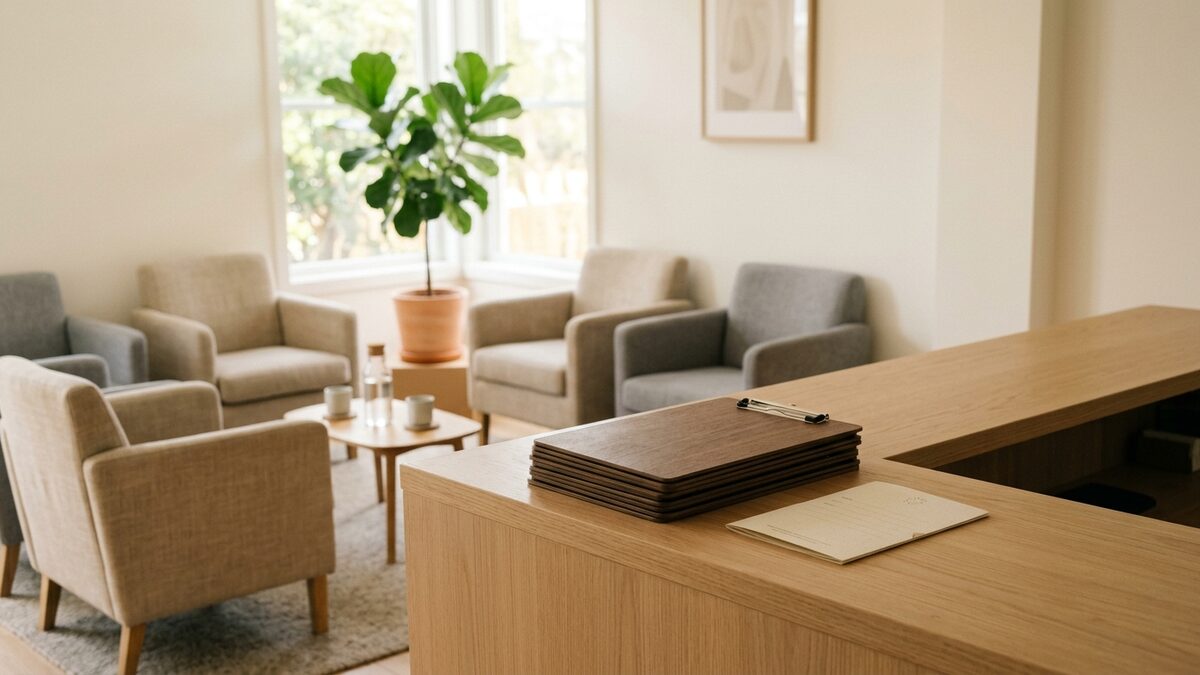
Most extraction appointments follow a predictable rhythm, and none of it is a surprise once you know the sequence. We recommend arriving about fifteen minutes ahead of your scheduled time. That window gives you room to park, check in at the front desk, and settle in before you are called back. If this is your first visit with us, arriving a little earlier helps, since new-patient paperwork takes a few extra minutes.
When you book, our scheduling coordinator will confirm the appointment length and let you know whether you should plan for someone to drive you. Depending on the plan discussed at your consultation, some visits are straightforward and short, while others are set aside for a longer block. Ask about this when you schedule so the rest of your day can be planned around it.
What happens when you arrive for your appointment
Our Encino office is set up so the visit stays calm from the moment you walk in. The waiting area is quiet, and the front desk staff can point you toward restrooms, water, and where to wait. If you use a wheelchair or need any accommodation, let us know when you book so the room and the route are ready for you.
Give yourself extra time if parking near the building is tight during busy hours. Street options and the nearest lot can fill up, so building in a buffer keeps the check-in step from feeling hurried. Once you are inside, there is no need to rush; the schedule is built to give each appointment its own window rather than stacking people back to back.
At check-in, the front desk will confirm your contact details, insurance information, and the forms on file. If you completed any paperwork online, this step is quick; if not, you will fill out a short medical history and consent forms in the waiting area. Bringing an up-to-date list of any medications you take, along with your insurance card and a photo ID, keeps this part moving.
Once you are called back, a member of the clinical team will greet you and walk you to the treatment room. They will review your paperwork, confirm which tooth is on the plan, and answer questions about the logistics of the visit. This is a good moment to raise anything you want clarified before the provider joins you. The provider will then review your chart and the plan established at your earlier consultation.
You will not be rushed. The team's aim is to make sure you understand each step of the appointment and feel comfortable before anything begins. If you have questions that are clinical in nature, such as what a particular sensation means or how your situation compares to someone else's, those are best answered directly by the provider during the visit rather than from a general article.
After the appointment portion is complete, a team member will go over your written go-home instructions with you. These are printed so you can refer to them later, and they include the office number to call if you have questions once you are home. We will also confirm whether a follow-up visit is part of your plan and, if so, help you set a time before you leave.
Planning your billing, insurance, and follow-up care
Billing questions are common, and we would rather you ask them up front than wonder later. Before your appointment, our team can review your coverage and give you an estimate of what your plan is expected to cover and what portion may be your responsibility. Estimates depend on your specific policy, so having current insurance details on file makes this more accurate.
It also helps to know how your plan handles the difference between a consultation and a treatment appointment, since the two can be billed differently. If you are unsure, our front desk can look at your benefits and explain how each visit is likely to be processed before you commit to a date, which avoids surprises when the statement arrives.
If you are paying out of pocket, or your plan does not cover a portion of the visit, ask about payment options when you schedule. Our coordinators can walk you through what we accept and whether a payment arrangement is available. Handling this in advance means the day of your appointment is about the visit itself, not the paperwork at the desk.
If your situation calls for a specialist, we will explain that during your consultation and help coordinate the referral. Knowing in advance whether your visit is with our team or with an outside provider affects both scheduling and how your insurance processes the claim, so we go over it early.
For follow-up, some plans include a scheduled return visit and some do not. If yours does, we will offer to book it before you head home so you are not calling back later to find a slot. If you are traveling from outside Encino or coordinating around work, let the front desk know, and we will try to group your appointments to reduce trips.
A few practical notes make the whole experience smoother. Wear comfortable clothing. Eat a light meal beforehand unless your instructions say otherwise. Arrange a ride if your paperwork or scheduling coordinator advised one. And keep the office number saved in your phone so that any question after you get home is a quick call away rather than a search through printouts.
Plan for a little downtime afterward. Even a short appointment can leave you wanting to rest, so keeping the rest of your day light is a reasonable idea. If you have work or childcare to arrange, our coordinators can usually tell you the expected length of the visit so you can block the time accordingly.
If anything about your appointment is unclear, calling the office before the day arrives is always welcome. Our team can confirm timing, revisit billing questions, and make sure you know what to bring. The goal is a visit with no surprises on the logistics, so your attention stays where it belongs.
This article is informational and is not medical advice. Treatment options should always be discussed in consultation with a qualified provider.